
Full Charge Bookkeeping vs. Standard Bookkeeping: What’s Best for Your Business?
SR
When managing your business's finances, choosing the right type of bookkeeping is crucial. Two popular options are full charge bookkeeping and standard bookkeeping. Understanding their differences can help you make an informed decision about what suits your business best.
Understanding Standard Bookkeeping
Standard bookkeeping typically involves basic financial record-keeping tasks. Bookkeepers in this role handle essential duties such as recording transactions, managing accounts payable and receivable, and reconciling bank statements. This type of bookkeeping is suitable for small businesses with straightforward financial activities.
One advantage of standard bookkeeping is its cost-effectiveness. Since it focuses on fundamental tasks, it can be a more budget-friendly option for startups and small businesses with limited financial transactions.

Diving into Full Charge Bookkeeping
Full charge bookkeeping, on the other hand, offers a more comprehensive financial management service. A full charge bookkeeper takes on additional responsibilities, including preparing financial statements, managing payroll, and even handling taxes. This role often requires more advanced skills and experience.
Businesses with complex financial activities or those experiencing rapid growth might benefit more from full charge bookkeeping. This approach ensures that all financial aspects are expertly managed, providing a clearer picture of the business's financial health.

Key Responsibilities of a Full Charge Bookkeeper
A full charge bookkeeper oversees a variety of tasks, including:
- Financial Reporting: Preparing income statements, balance sheets, and cash flow statements.
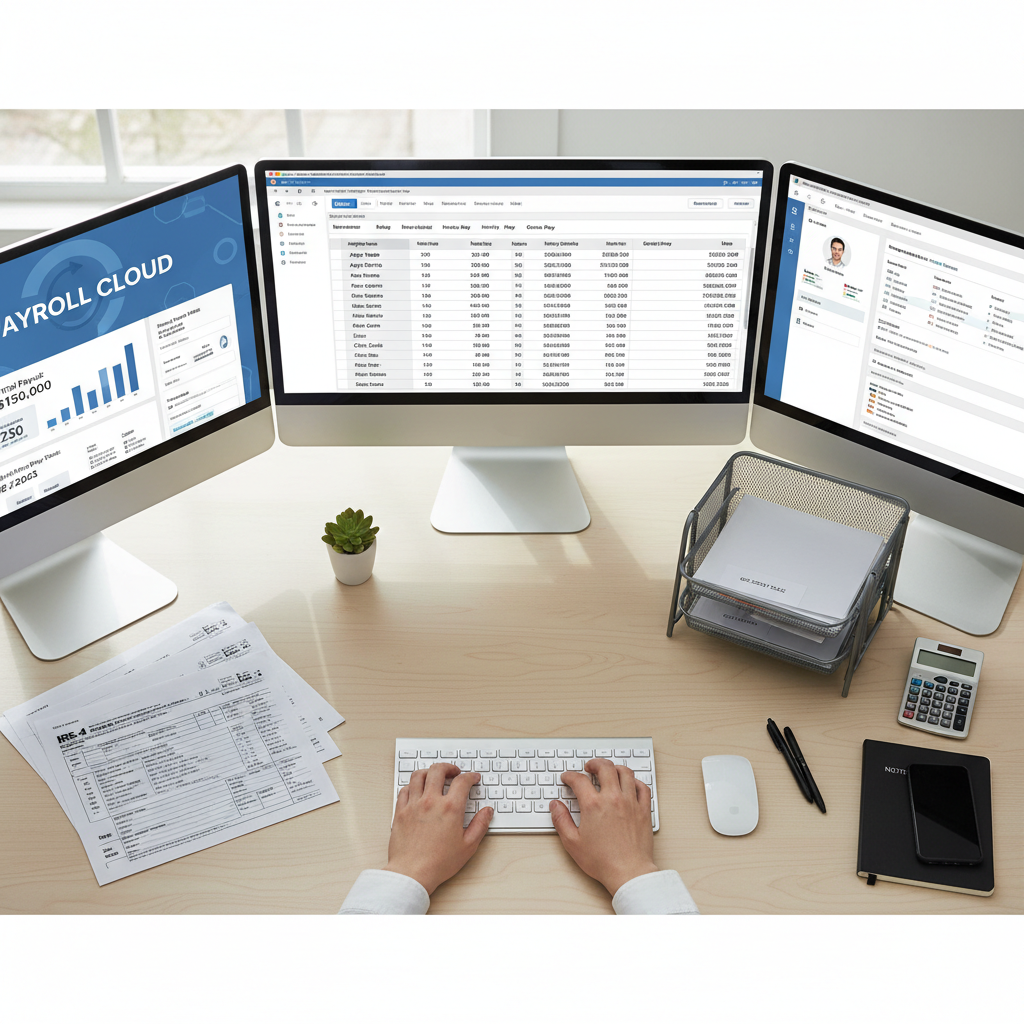
- Payroll Management: Handling all aspects of employee payments and deductions.
- Tax Preparation: Assisting with tax filings and ensuring compliance with tax regulations.
Comparing Costs and Benefits
While full charge bookkeeping offers extensive services, it typically comes with a higher cost compared to standard bookkeeping. However, the investment can lead to better financial insights and more efficient business operations. It's important to weigh the costs against the potential benefits for your specific business needs.
For businesses looking to scale, the detailed financial analysis provided by full charge bookkeeping can be invaluable in strategic planning and decision-making.
Making the Right Choice for Your Business
Choosing between full charge and standard bookkeeping depends on several factors:
- Business Size: Smaller businesses with simple transactions might opt for standard bookkeeping.
- Complexity of Transactions: Companies with intricate financial dealings may require the expertise of a full charge bookkeeper.
- Budget Constraints: Consider what you can afford without compromising financial management quality.

In conclusion, both full charge and standard bookkeeping have their unique advantages. By assessing your business's specific needs and financial complexity, you can choose the bookkeeping method that best aligns with your goals and resources. Whether you need basic record-keeping or comprehensive financial oversight, understanding these options will guide you toward better financial management.